
Employers are done being price-takers.
Rising premiums, opaque billing, and employee frustration have turned traditional group insurance into an annual pain ritual. But a few companies in San Antonio are proving there’s another way — one that gives employees real access while restoring financial control to the employer.
The Challenge: A Construction Firm Rebuils Its Benefits
T&D Moravitz, a 140-employee construction company, decided to unbundle its health plan. Instead of paying escalating premiums, they partnered with:
- Direct Med Clinic for Direct Primary Care (DPC) — unlimited same-day visits, 24/7 text access, and in-house pharmacy at no cost to employees.
- Altique Consulting to design a self-funded plan using independent TPAs, stop-loss protection, and a single-parent captive.
The company didn’t chase a discount. It rebuilt the system.
Why It Worked
1. Direct Primary Care became the front door
Employees contact Direct Med first — by text or same-day visit — for 80–90% of issues. That one step cut urgent-care visits and ER misuse dramatically.
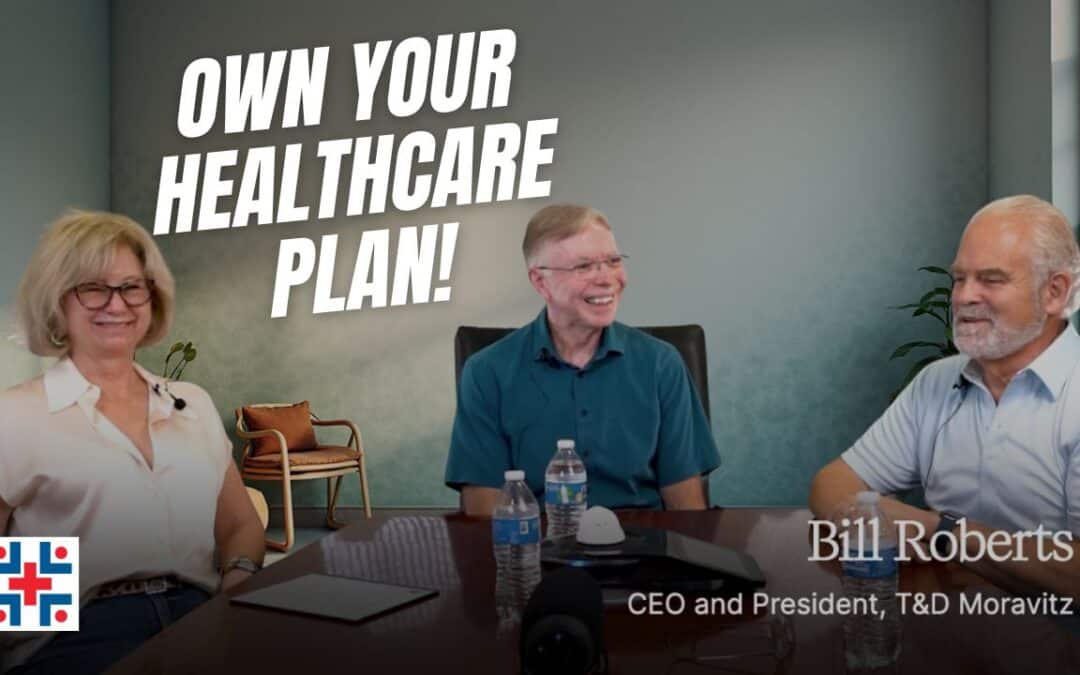
“Open your phone, send a text 24/7. You get your doctor, not a stranger,” says CEO Bill Roberts from T&D Moravitz.
2. Zero-dollar care for most needs
Every visit routed through DPC costs employees $0. Routine labs and imaging now cost less than old copays, with pricing negotiated at true cost — not insurance markup.
3. Transparent self-funding, not blind risk
Instead of paying a carrier’s pooled premium, T&D Moravitz now sees its own claims data (HIPAA-compliant aggregate reports). Stop-loss coverage and the captive structure protect against high-cost shocks — while removing the insurer’s profit motive.
4. Pharmacy savings unlocked
Through transparent sourcing, prescriptions that once billed at $4,000 now cost about $100 — same drug, same dosage.
Employers nationwide are finding similar savings once they bypass opaque Pharmacy Benefit Manager markups (as discussed in Glasp insights on PBM transparency).
5. Culture shift: from frustration to trust
When employees stopped battling carriers, morale shifted. Healthcare stopped being a complaint category and started being a recruiting advantage.
For Employers: How to Replicate the Model
- Anchor care in DPC. Choose a clinic that offers unlimited visits, direct messaging, and same-day appointments.
- Unbundle your plan. Work with an independent consultant to combine DPC + stop-loss + TPA + pharmacy vendor into one transparent structure.
- Reprice prescriptions first. It’s the fastest win and the biggest hidden cost.
- Educate staff. “First call Direct Med” becomes company policy — rewarded with $0 care.
- Measure monthly. Use claims dashboards and pharmacy variance reports to track real cost containment.
The Business Case
| Metric | Traditional Insurance | Direct Primary Care + Self-Funding |
|---|---|---|
| Renewal trend | +15–20% annually | Flat or ↓ in year 1 |
| Employee complaints | Constant | Near zero |
| Access to care | Delayed / outsourced | Same day / text-based |
| Data transparency | Hidden | Full (aggregate reporting) |
| Local economic impact | Dollars leave region | Dollars stay in community |
Local Impact: Keeping Dollars in San Antonio
By sourcing care and pharmacy locally, these employers keep healthcare dollars circulating in the same community that earned them. That’s not just cost control — it’s local economic leverage.
The Core Lesson
When employers own their benefits, they stop renting someone else’s plan.
Transparency replaces frustration. Access replaces bureaucracy.
And the business becomes a better place to work.
→ Watch the full discussion: Own Your Benefits on YouTube
Recent Comments